The skin-adherent sensor is an improved substitute for conventional sensors printed on plastic surfaces. It can be used for noninvasive detection and monitoring of body fluids present in sweat.


The skin-adherent sensor is an improved substitute for conventional sensors printed on plastic surfaces. It can be used for noninvasive detection and monitoring of body fluids present in sweat.

The product outperforms film made of HPMC alone. An article on the research project, which was supported by FAPESP, is published in the journal Applied Material & Interfaces.
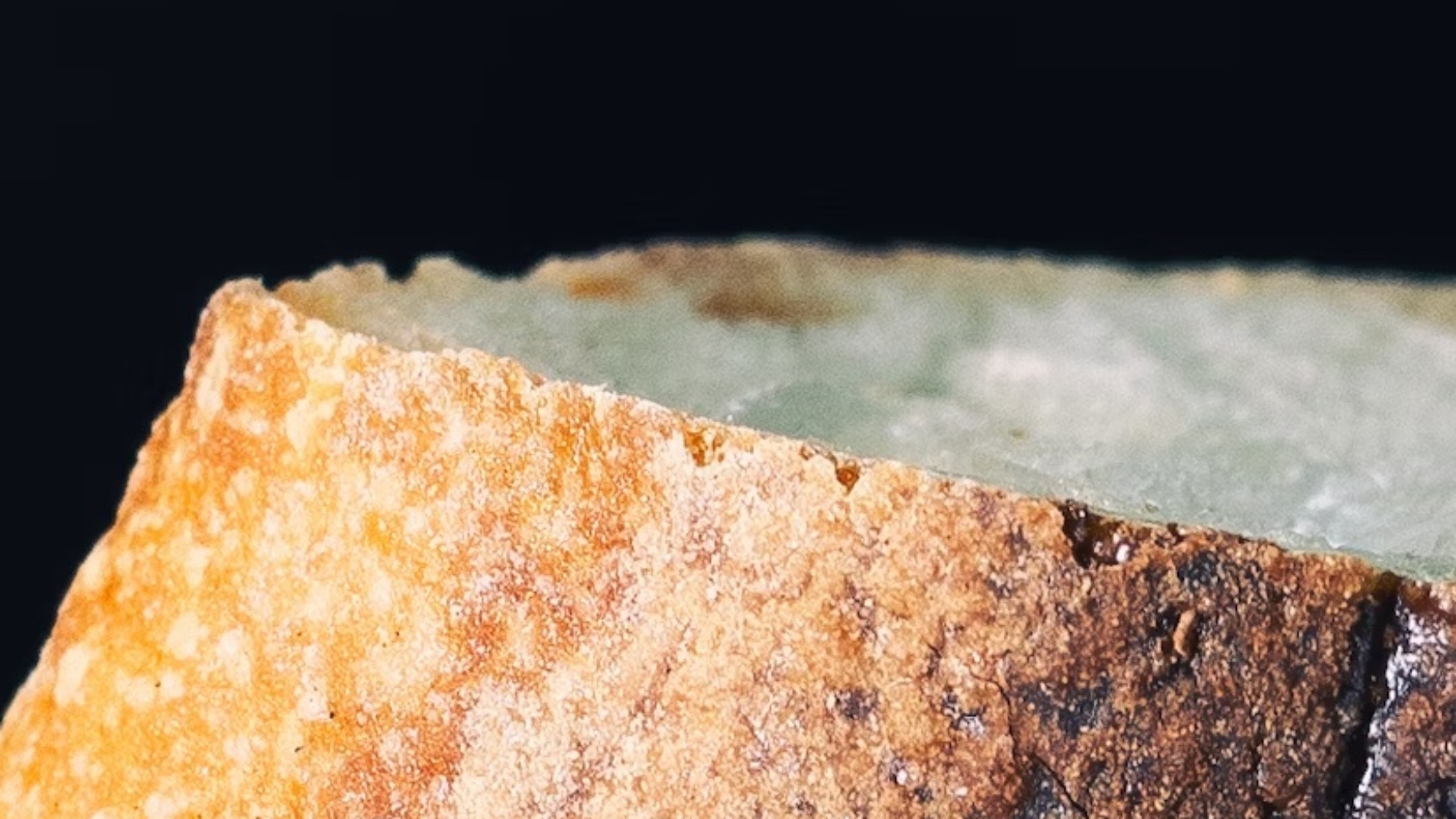
Instead of adding preservatives directly into or onto food, natural compounds can be added to packaging material, which then interact with the food to prevent spoilage — a technique called “active packaging.”

The article Tailoring the Antimicrobial Response of Cationic Nanocellulose-Based Foams through Cryo-Templating was selected to be featured in the ACS Editors’ Choice initiative.
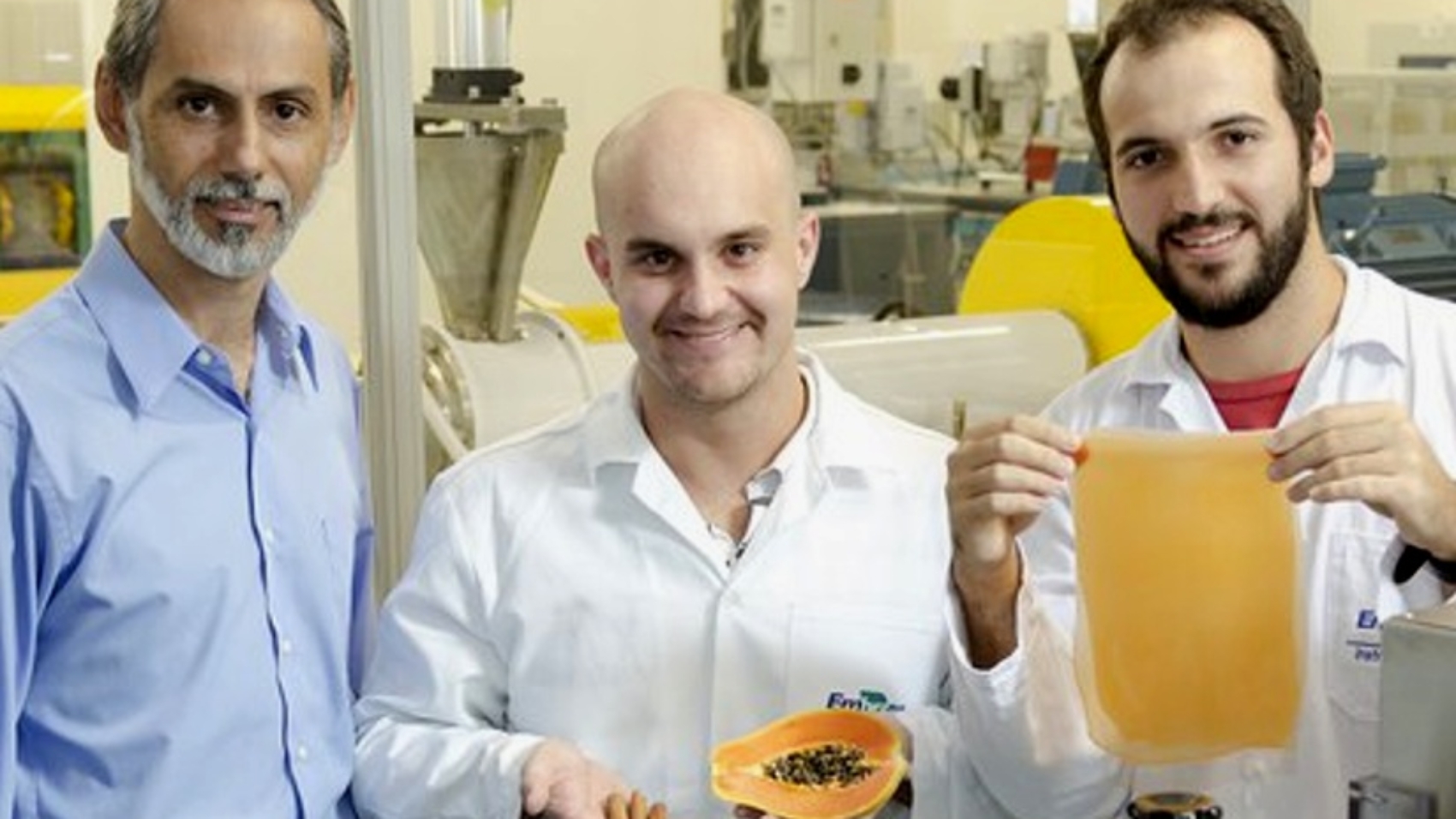
A team comprising materials engineers, chemists and food engineers has produced edible films with antimicrobial properties, based on renewable sources: pectin, papaya and cinnamon essential oil.
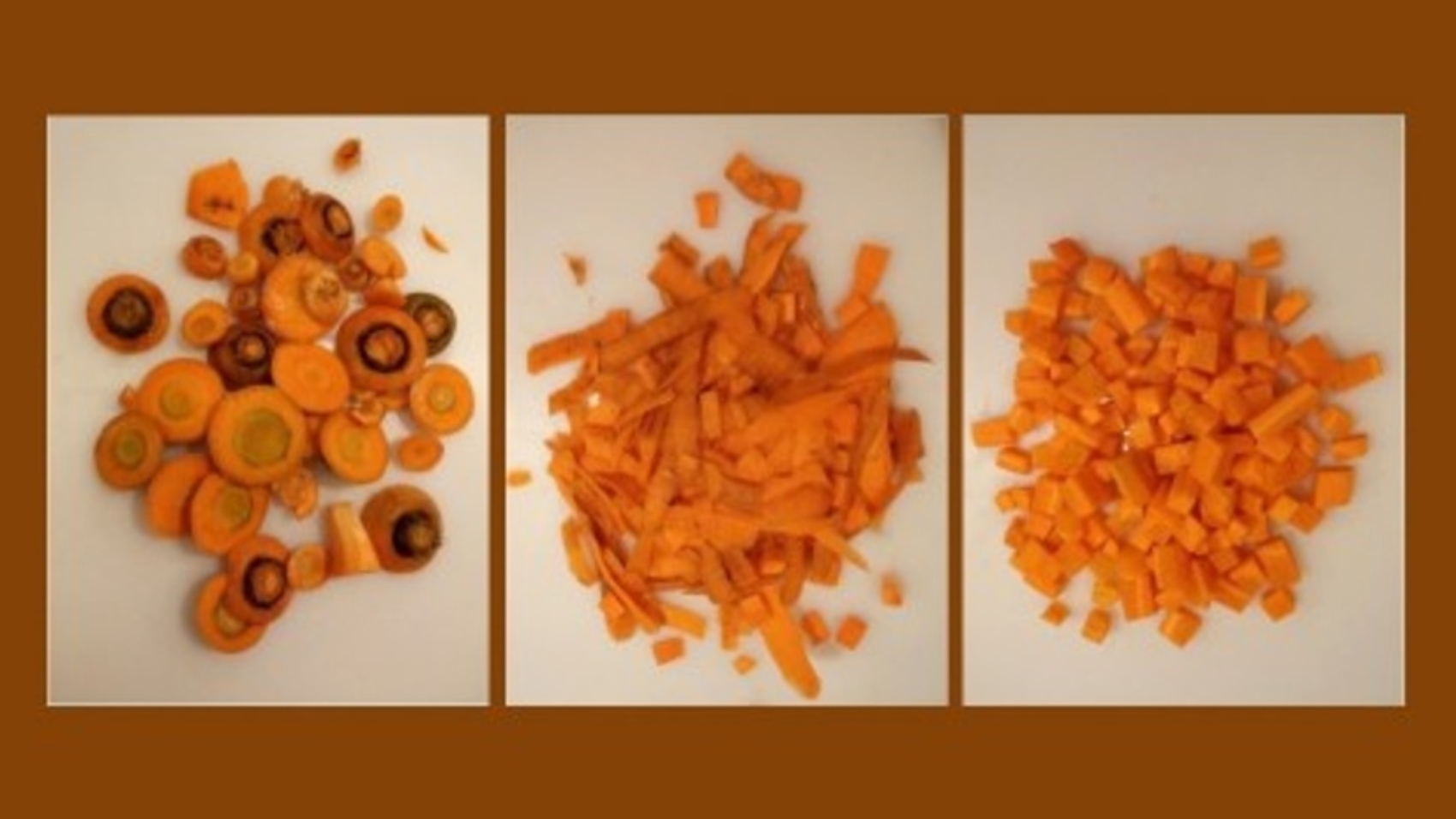
Only about 25% of all this biowaste is collected and recycled. The other 75% is simply thrown away, representing a huge loss of potential resources and major damage to the environment.